
I Help Communities and Organizations Design Systems That Work—Because I've Lived What I Teach
For 20 years, I've watched regenerative (permaculture) designs fail not because of bad design, but because of people problems. And I've watched organizations with brilliant missions fall apart not because of bad ideas, but because they forgot to care for themselves. Often, we forget to ask the key questions.
The solution isn't working harder or better design or better governance—it's integration. When we design ecological systems AND organizational systems together, rooted in nature connection and care-taking, everything changes.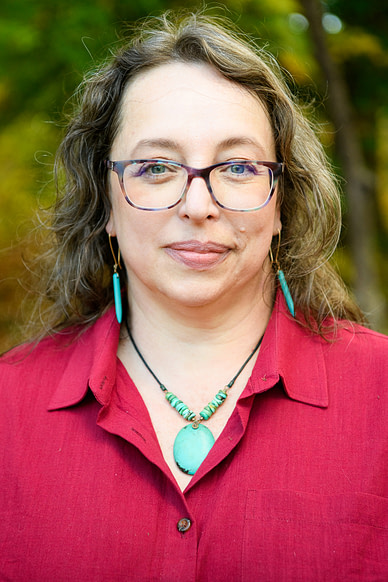
Who I Am
I'm a regenerative design educator, organizational consultant, and facilitator based in Indiana. For more than two decades, I've helped land-based projects, communities, and mission-driven organizations design regenerative systems. But I don't separate "the land work" from "the people work"—because nature doesn't separate them either..
20+ Years Regenerative Design Education and Design
Teaching PDCs since 2005
Designed for farms, homesteads, and neighborhoods across the Midwest and across North America
Specialized in temperate-climate, regenerative systems
Watching projects succeed (and fail) for two decades taught me: technical design is only 30% of success
Nature Connection & Ancestral Skills
Daily sit spot practice for 8 years; nature journaling and drawings
Trained tracker and awareness student for more than 10 years
Integrate ancestral skills (fire, shelter, tracking, awareness) into all teaching
Believe presence and attention are the foundation of good design
Focus on living with the seasons and cycles of life.
7+ Years Living Sociocracy
Not just certified—lived it daily as a community member and advocate; for the last three years I've been the Operational Leader (Executive Director)
Practiced consent-based decision-making in real time
Experienced how governance as care-taking changes everything
Understand sociocracy from the inside, not just the manual
Facilitation & Group Process
Trained in nonviolent communication, consensus, and dynamic governance
15+ years facilitating design charrettes, strategic planning, and conflict transformation
Skilled in holding space for emergence from small groups starting out to regional organizational gathering
Know when to structure and when to trust the group
Experience starting different for- and non-profit adventures

10+ Years Magazine Editor and Thought Leadership
Edited Permaculture Design Magazine (formerly Permaculture Activist) from 2008-2021 (editor from 2015-2021) years
Published 100+ articles on regenerative design, community, and permaculture practice
Interviewed practitioners worldwide
Learned to spot patterns: successful projects always addressed BOTH ecology and human systems
What Makes This Approach Different
1. I've Seen Both Sides Fail
Most permaculture consultants have never run an organization. Most organizational consultants have never designed land-based systems. I've done both for more than 20 years—and I've watched both fail when treated separately.
2. I Practice What I Teach
I'm not offering theory. I lived organizational change and regenerative design. I sit in my spot every morning and listen to life unfold. I've facilitated hundreds of decisions using the same tools I teach. I've failed, learned, and failed better.
3. I Center Relationships, Not Just Results
Good design—whether ecological or organizational—emerges from relationship. Relationship with place. Relationship with each other. Relationship with the patterns that create life.
4. I Work in the Midwest (Primarily)
Most permaculture training focuses on temperate or tropical climates. Most organizational consulting ignores bioregional context. I'm based in the Ohio River Valley, where my family has lived for many generations. I design for cold winters and hot summers, and I understand the culture and challenges of land-based work in this region.
How I Work
Observation Before Action
I spend time listening—to the land, to the people, to what's really happening—before proposing solutions. Permaculture teaches: observe for a full year before designing. I apply this to organizational work too. The more familiar I am with your context, the more I can take my experience and put it to work for you on a shorter time frame.
Care-taking Over Control
Good decision-making isn't about efficiency or control—it's about collective care-taking. I help organizations design systems where everyone participates in tending the whole. This doesn't make it easy, but it does make more possible.
Nature as Teacher
Every facilitation I offer, every governance structure I help implement, is rooted in patterns from nature: decentralized authority, reciprocal relationships, diversity creating resilience.
Depth Over Speed
Real transformation takes time. I'm not interested in quick fixes or surface-level changes. I'm interested in supporting deep shifts that last.
Both/And Thinking
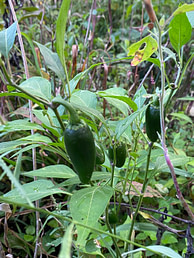
It's not land OR people. It's not systems thinking OR decision-making. It's not technique OR presence. Integration means holding complexity and designing for wholeness.
Ready to Explore Working Together?
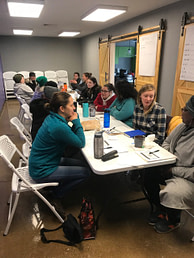
Four pathways:
For Organizations Seeking Governance Support:
Is your nonprofit stuck in endless meetings, unclear decisions, or founder syndrome? Let's talk about governance as collective caretaking.
For Aspiring Practitioners:
Want to learn regenerative design that actually prepares you for real-world work? Design Course enrollments open in 2026 or join the waitlist.
For Established Practitioners
Hit the ceiling with people problems your design skills can't solve? The Advanced Practitioner Program might be your next step
For Those Seeking Integrated Design
Working on a project that requires land-based design, project development, and group decision-making? Whether you are starting from the beginning or addressing issues arising, it might be worth a call.