oak seedlings - CC0 via Pixabay
Earth Care, Future Care, People Care

What is permaculture?

Defining "permaculture"

There are hundreds of definitions of permaculture. Here's the one I use: Permaculture is an ethical system of design that integrates humans with the natural world. 

Let's break that down. 

Permaculture = "permanent agriculture" and "permanent culture"

Ethical = Care of the Earth (primary); Care of People; Care of the Future

System = working with an awareness of the interconnectedness of elements of any system we focus on. 

of Design = We are co-creating with the Earth and with other people in a way that is intentional and careful

Integrates Humans with the Natural World = we developed a civilization/society that has disconnected us from the Earth we depend upon. (This one if full of tricky implications if you think about it.) Further, we tend to be deeply disconnected from each other. 

We can do better, and we can keep improving. 

The Problem

I begin almost all of my permaculture design courses with the question: 

What is going on in the world? What's the news? 

It doesn't take long for the board to fill with "events" that, when we look at them, are systematically connected.  Just as the problems are interconnected, so are the solutions. 


The Solution

It is time to reintegrate our way of life so that we can heal the Earth, heal ourselves, and tend to the best possible future. We can return to a life which is deeply connected--one that allows us to express the best of the human journey on the planet. What can that look like? 

  • Growing more of our own food in order to have more nutrition, fewer costs, more food security, and a sense of accomplishment and connection. People mostly think of permaculture in relation to horticultural and agricultural techniques. 
  • Increasing the efficiency of our home -- providing for more of its energy, water, and material needs in order to cut costs, increase resilience, and be more productive. 
  • Participating in community-wide initiatives in a way that brings people together. Maybe you love time banks, or food pantries, or developing new products for your area that support the regional economy. 
  • Developing a neighborhood community or an eco village. Permaculture can thrive in these environments. 
  • Learning the plants, birds, insects, and mammals of your area so that you can help to tend and repair the landscape you all share. 

Most of all, this is about limiting our impact on the Earth and tipping the balance toward a way of life that will allow future generations to thrive. We can imagine, design, and enact that right now. 

Read More
social media girl
People Care

Design for Groups: creating the group

The Moment in which We Live

        One of the challenges, as we have gone online is that our social evolution is on the surface. I interact with people from around the world on an almost daily basis via zoom. While the interactions with people are spread out, they are also shallower. Our mission-driven interactions allow for some connection and understanding, but there isn’t often time to build deeper connections and cultural practices which really nurture relationships and networks. In a world of 15-second Tiktok videos, how do you develop connection to a shared vision? 

Our ecological and social systems are beyond the limits and collapse is underway. Collapse has been affecting people; destroying and destabilizing whole sections of population for most of my adult life. What we are talking about now is the level of acceleration. Extractive behavior continues—putting financial and social capital in the hands of the privileged. People are both distracted by social media and other entertainment and utilizing an online context to reorganize their lives and connections so that power and resources can be distributed more fairly to meet the needs of the Earth and people. Neither focusing on negative realities and despair nor toxic positivity and denial is helpful.  The pandemic has given us all a moment to wake up and re-evaluate what is critically important—as well as to see the delicate situations we are in. 

So, what are we to do? 


Cellular Boundaries

            Who is the “we” in that question? Permaculture people, readers of this article, family members, activists, and members of organizations. Community members. Business owners. Staff or employees. In each role, or context, we have the capacity to work from principle and pattern toward common vision. Those contexts need relatively stable boundaries. A consequence of our globally connected world—and especially the past the wealth of the past 30 years in the US and other affluent countries—is that people have been able to move where they like far from family and friends. That has been positive in many ways but limited our direct experience of community around us as well. We are lonelier and suffering more mental health issues than ever before. (Hence, projects like the Human Library.)

One of the challenges and wonders of our current world is that it is so very accessible. By nature, we define ourselves and our lives by the people with whom we have regular contact. Those are the people we are invested in. As permaculture people, we want to design systems that improve our quality of life and the lives of those we connect with. In terms of changing the world, when we put intention and choice into our systems, it can send a positive ripple out through the whole—and when many of us do this, it can rapidly change the nature of our world in a positive way. So, who is your “we”? Who do you want to design with? Who do you share a vision or mission or dream with? 

Many times, we don’t get to choose everyone in our groups and collaborations. Friends of friends show up, or people respond to a call to action. A variety of perspectives are introduced. Each person has some valuable experience or question to bring to the conversation. Once we know who we are co-creating a future with—allowing for shifts and changes as life demands—we can then find the common threads and themes of our vision. 


Collective vision and a strong container

            Once we know who “we” are and what we are working for, we define both the limitations and problems we need to solve, and the immediate and long-term aims implied in our vision. In 2016, at the North American Permaculture Convergence in California, I was sitting in one of many delightful, long conversations with Bonita Ford. It became clear in the conversation that we have an endless supply of good technical and design solutions to our ecological problems. However, projects fall apart over lack of ability to sustain them (financially and energetically) and old, internalized patterns of oppression and communication which feed conflict and foster differences. People leave relationships or projects and move on to something new. In a world with many options, that is perhaps for the better. But in a world of increasing constraints, moving on may not be as much of an option. (I have spoken of this concern several times in articles Permaculture Design.) In this case, we need more careful and skillful design of our social worlds to creatively respond to the moments we are in. Once our personal and social lives are more in balance, our built structures and ecological worlds are more likely to reflect this health. I’ve spoken elsewhere about personal balance and design for self-care. In the next post, I want to focus on social design and, specifically, about how sociocracy blends with permaculture in a positive way to create strong containers for our collective vision.    


This post is an excerpt from the Spring 2022 issue of Permaculture Design magazine, which Rhonda edits. You can find out more about effective governance from visiting Sociocracy For All

Read More
flood waters - CC0 via Pixabay
Something Else

Rain events, climate change, and community flooding

Over the past weekend our community saw 7″ of rain within a 24-hour period. Most of that precipitation came down within about 90 minutes. It is easy to recognize this kind of event as a climate-change related phenomena. Such events are becoming more frequent for our area. Rather than a persistent drought, we are likely to see more rain in more intense events like this one. Our community began tracking rainfall in 1895. From 1910 to 1990 there were 10 of the highest rainfalls on record. Between 1991 and 2021 we’ve had 10. The flooding that resulted was deadly and damaging. We need to respond on a personal level with our own home-designs, and on a community level. 

A couple of things to consider

A local activist berated city leadership for investing in public structures like a parking garage instead of better addressing climate change (1). This kind of concern–and even righteous indignation– is understandable, but he did not offer any productive suggestions. I think it would be more helpful to point toward what is needed and offer compelling arguments based on data and observation of what is working. For example, a wetlands project on the north side of the city managed the water flow from several neighborhoods and showed remarkable resilience.

Our community needs similar projects which daylight and filter water flows throughout the community. One of the more challenging aspects of these rain events is the channelized flow of water from campus through the middle of the city. For decades this waterway has been sent underground — under businesses. How many cycles of flooded basements and businesses can we carry forward into the future?

Adapting permaculture

Permaculture originated in an area dealing with decades-long droughts. Swales and ponds to catch and store water make a lot of sense in a dry climate. However, in a temperate area with increasing rainfall, design solutions cannot be haphazardly adopted.

I have been advising against placing swales upslope from structures for a while now. Saturating the water table above a foundation will not work in this area any longer. I believe French drains are also insufficient. Rather, earthworks that consistently and reliably move water around and away from foundations make sense. Put your swales and water-catchment earthworks either to the side or down slope to protect your home.

We can use the design process to safeguard our homes AND increase life-sustaining systems. I calculated that in our small yard, the “upslope” generated about 29,790 gallons of water in about 90 minutes. This doesn’t include confirmed runoff from neighboring properties upslope.

People regularly underestimate what is going on. A 50-gallon rain barrel is not sufficient to irrigate a garden. How did the rain gardens fare during the recent events? My suspicion is that they were not especially helpful. (Contact me if you have data to the contrary.)

Rather, a slightly different kind of earthwork can direct water where we want it to go and provide interesting opportunities for cultivating life and living well. Tanks, cisterns, “dry” creek beds, ponds, and other catchments and holding systems can benefit us, and reduce the amount of runoff municipal systems have to deal with, but we need better observation and analysis. We need better design. Ultimately, there are difficult choices ahead.


  1. To be fair, this person has made many suggestions over the years. The post I saw did not.

Need some advice?

If you would like some help with analysis, conceptual design, and next steps, contact us for a consultation?

Click Here

Read More
design definition
Earth Care, Future Care, People Care

Who Created “Permaculture”?

Who created "permaculture"? Where did it start?

In this series of introduction to permaculture articles, I wanted to layout the basics. So here we are looking at the origin of permaculture. In the last one, I shared my definition of permaculture. There, I said it is "an ethical system of design that integrates humans with the natural world." There are hundreds of definitions of permaculture, and that makes it stronger.

Still, the system of design I refer to had a point of origin. Two brilliant and colorful characters, Bill Mollison and David Holmgren met when both were involved in university in Tasmania in 1972. Their months-long conversation critiquing industrial agriculture and the Green Revolution led them to the ideal of "permanent agriculture." 

Their synthesis of observed indigenous wisdom and practice, systems thinking, and the new understandings of ecological science led to not only an understanding of the damage industrial agricultural systems were wreaking in a globalizing world, but the impact on culture and a process for undoing the damage. This design process is grounded in the three ethics (Care of the Earth, Care of People, and Care of the Future). The process also guides us to mimic the natural patterns found in any particular place. All culture begins in nature. 

In practical terms, this means permaculture relies heavily on restoring perennial plant systems using new combinations of productive, high-yielding species. Tending landscapes using these strategies reinvigorates the systems indigenous humans created and tended around the world throughout our history as a species.

And, there was precedent in academic and scientific circles as well. J. Russell Smith had published a book on Tree Crops (1929) in the horticultural ferment of the 1920's, and Masanobu Fukuoka's One Straw Revolution (1975) was spreading about the same time that Permaculture One (1978) was published.  

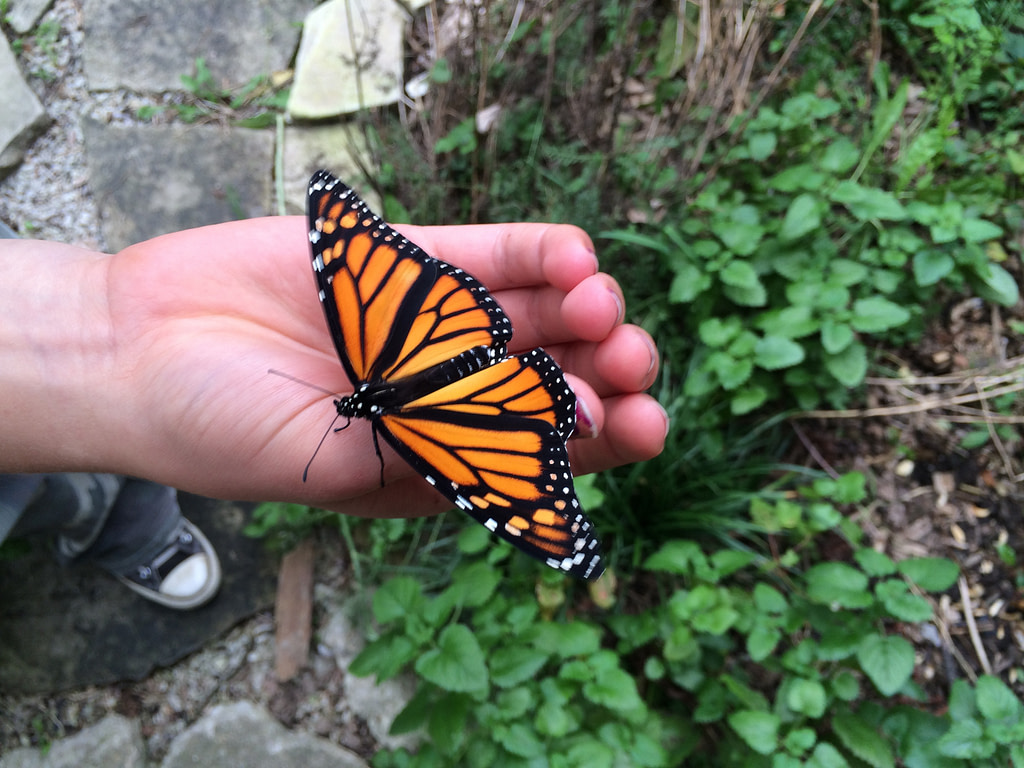
monarch on hand

What came before permaculture? 

meadowsweet in bloom

As I mentioned, indigenous humans around the planet and throughout time created systems of tending the landscape. Some were more successful than others (three previous civilizations failed in China according to the archeological data). In fact, I've come to believe that any human dependent on the land they have access to and with enough resourcefulness time to experiment will come up with many of the strategies and techniques utilized in permaculture design. For example, weir systems harvesting from the tides are very similar between the Haida of the Pacific Northwest and those found on ancient British coasts.

From a more recent experience, my own grandfather developed gardens and systems in his many garden farms in the 1970s-90s. Despite his poverty and lack of education, he developed massive gardens at multiple sites that incorporated trees, shrubs, annual crops, hoop houses, poultry and rabbits. His plantings were on contour and used the light and microclimates to advantage. He used deep mulch to control weeds and keep pathways clear. He heated his home with scrap wood from the local sawmill, canned a massive amount of food. There was cold storage on a north-facing porch. Water was tucked away in gallon jugs, in case the well went dry. We foraged for nuts, mushrooms, wild medicines, and berries regularly. 

There is a lot, looking back, that came from trial and error. His awareness of what was happening in his gardens (all five of them stretched over the county) was amazing. Frequently he would pause to show me some plant he'd imported and grown for the first time. 

I am fairly certain he never heard of permaculture. A deeply conservative man, he likely wouldn't have been a Mother Earth News reader either. 🙂 That didn't stop him from being connected to the Earth and the cycles of creation and tending implied in permaculture. 

Personally, I believe we all need to re-develop our relationship to the Earth (hence Touch the Earth), and to live in relationship to that Earth in a way that is mutually healing. In my journeys, I've connected with many others who share this perspective.

How did it spread?  

Permaculture spread initially through publications. There was Permaculture One, then Permaculture Two, then The Designers Manual, then came the Introduction to Permaculture. By this point, Mollison had gone around the world planting the system among likely candidates.

The first international permaculture convergence (IPC) happened in the early 1980s. The IPC agreed to a standard curriculum for a permaculture design course by the mid-1980s. This meant permaculture people around the planet had a common foundation for sharing ideas. From there, permaculture courses and institutes have grown to bring an understanding and practice to hundreds of thousands of people. 

In North America the first courses were in 1982 and 1983. Mollison essentially said, if you've taken the course go teach. Amazing projects came out of those initial courses. Slowly into the 1990's more teachers and teaching teams formed. By the time I took my own course in 2005, permaculture was still largely unheard of. North American permaculture has been weedy and wild. Still, more people are at least familiar with the term and have a sense of what permaculture is. More education is needed--and a lot more implementation. 

From my perspective, the permaculture design course is an onramp for people from mainstream society to a better future. It's just the beginning of a cultural shift. There are other doorways to that shift, but permaculture design has a lot of tools in the toolbox. There is a great deal of potential for building bridges between people who experience the world in radically different ways, but find a common vision of where they want to go. 

Read More
GERC
Earth Care

What if?

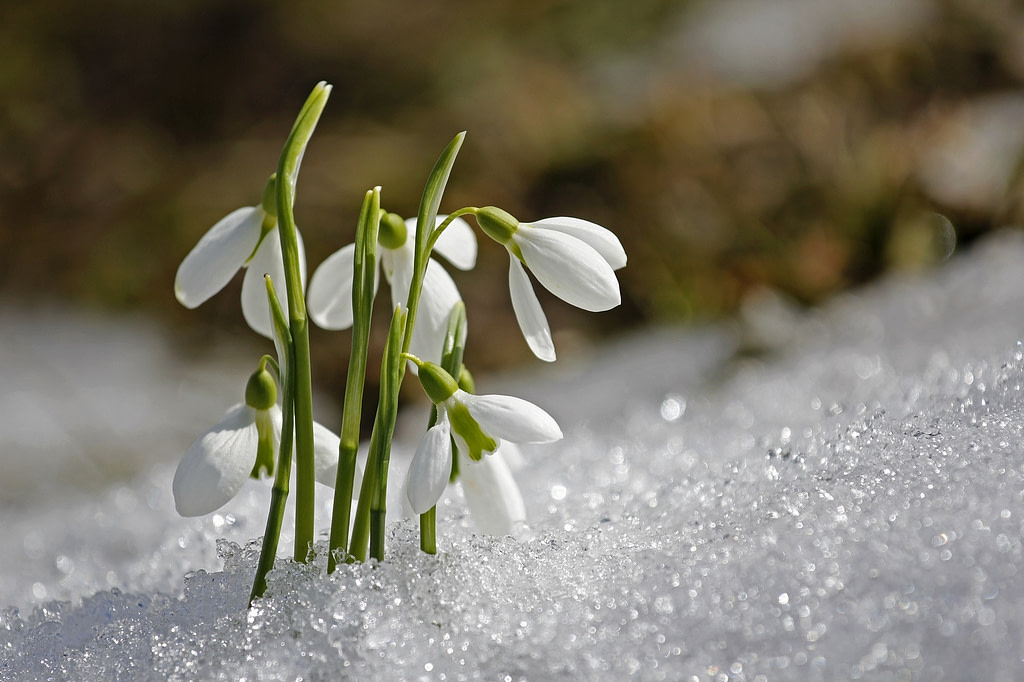
It is late January. While walking around a consulting client’s property yesterday, I saw the early bulbs just beginning to peek up above the soil. In my own garden, spring herbs are already beginning to conservatively creep across the ground in the warmer, protected spots. Spring seeding is beginning to happen, and I know that the buds on the trees are beginning to change in the warmer periods. 

snow drops

Nature doesn’t have an on/off switch like our mechanical systems. There is resilience built in to the constant use of energy. Just so, I believe that most people have in the back of their minds and the depths of their heart a desire and a commitment to a beautiful, healthy, just world. The rush and stress are there—but beneath them is the courage and imagination to see a better world. 

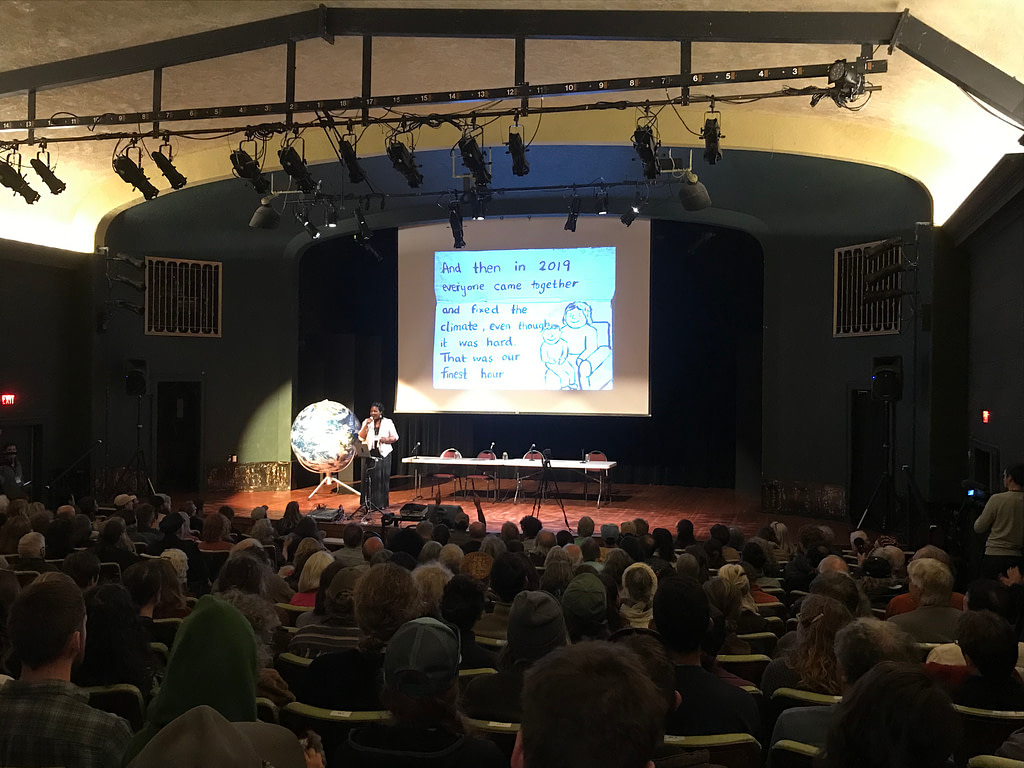
At the Global Earth Repair Conference in Port Townsend, Washington last May, Precious Phiri gave a powerful keynote. Behind her, on a large screen was a hand-drawn image of an adult sharing with a child—and noting that in 2019, the world woke up and it all changed for the better. The sign said, “And then in 2019 everyone came together and fixed the climate even though it was hard. That was our finest hour.”  Until that moment, I was sensitive to the collective grief and worry and persistence of the 500 people gathered. That simple drawing raised the question: how did the world get better? How did we come together and heal the Earth? Each other? 

GERC

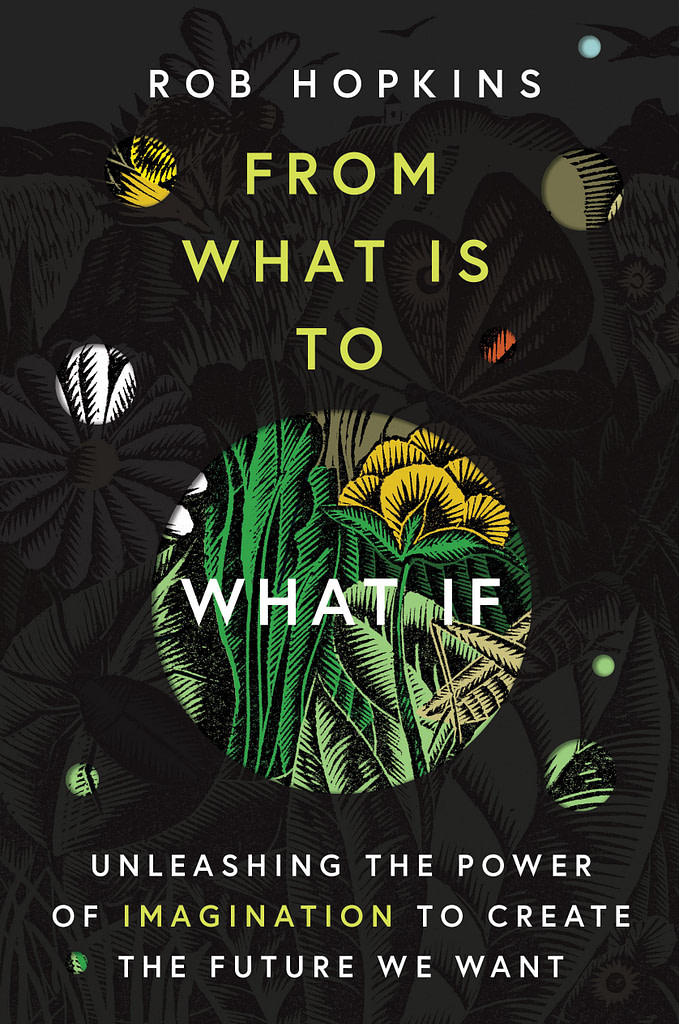
Seven months later, with Rob Hopkins’ book From What Is…to What If? in front of me, I recognize the same question and the same feeling of possibility. What if? 

What if?

I am exploring this question for myself…and I am very curious to hear what you are imagining, too. I look forward to the changes possible in the year ahead.

Read More
Future Care, People Care

Facing the Day

[Note: This blog first appeared as the initial section of my editorial for Permaculture Design magazine’s November 2019 issue. In that issue, several authors spoke to this moment in time, the need for Earth Care, and the connection to People Care–two core permaculture design ethics. Readers appreciated the editorial, and so I thought I would share the beginning here.]

The times we live in are both a challenge and an opportunity. Both are presented with increasing urgency. As the year winds down, I have been evaluating and clarifying to which challenges and opportunities I can effectively contribute. Do I put effort into teaching and facilitating? Designing? Collaborative projects? The local community? Regional networks? More? Each of us has different skills and capacities cultivated through our own personal visions of a better world. From where I stand, our task is to align ourselves with each other in work which allows us to contribute fully and which improves the lives of others (human and non-human). That is not the message of mainstream, corporate-driven society. 

When I was a young activist, I noted that if we did not do something our grandchildren would suffer. When I had my first child in 2001, I recognized that if we didn’t do something, my child would suffer. When my second child was born, seven years later, I recognized that we are all suffering. My anger at older generations for creating and enjoying systems and privileges I would never realize abated. 

We live in a world desperately challenged by the systems which have held power and sway for decades. The pain and suffering of millions, the extinction of our species, and the degradation of our lands demand retrofits to not only our over-consumptive households, but to our communities and regional economies. This urgency is spurred on by fear of a chaotic future and the grief we might feel when we recognize the trajectory we are on. 

Those of us who are aware hold grief in one hand and hope in the other. It is not hope for our civilization based on extraction and power over, but hope for lives well-lived in service to each other, based on power with each other and the work of setting to right much of what has been out of balance. Resting in that vision, we have every reason to take urgent action to start where we are and do what we can. We are not waiting for those mired in old paradigms and willful denial. Nor, I think, are we perpetuating negativity. Our work is founded in something more life-affirming.

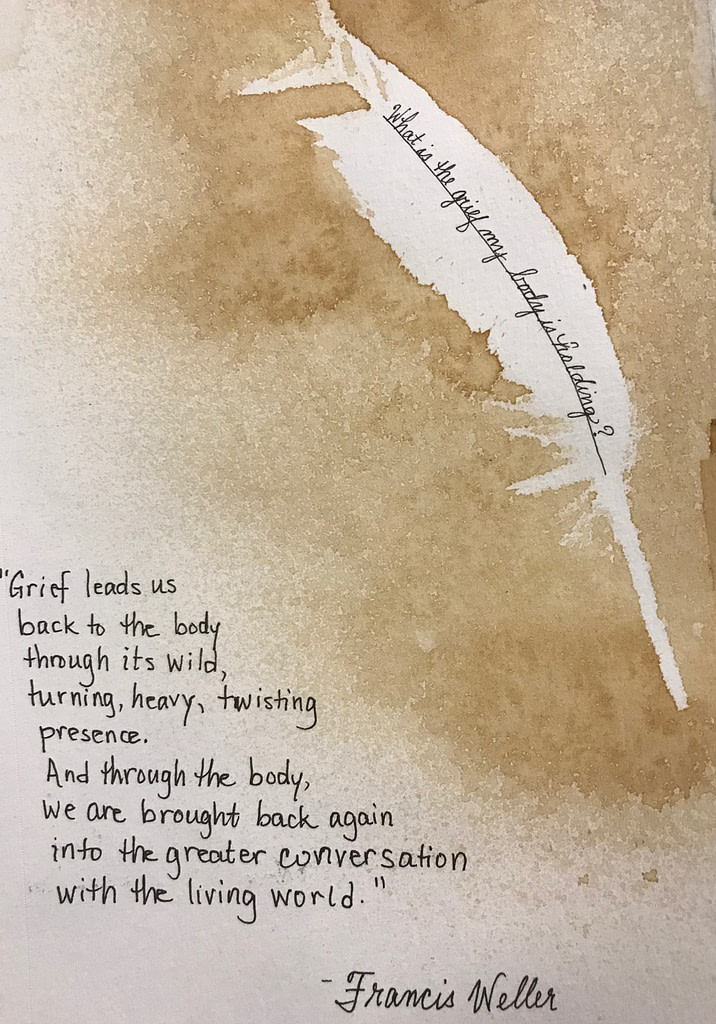
Frances Weller on grief
Read More
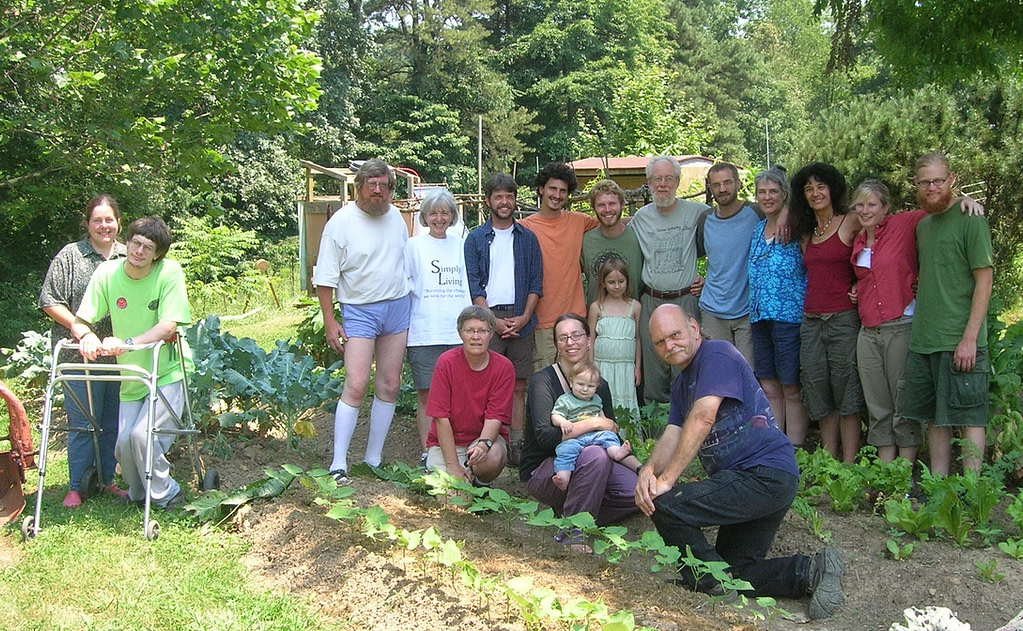
IU students in the garden
Something Else

Why invest in a PDC?

This post is likely to change over time…just as our understanding of how permaculture fits in the world changes over time. 

It is often said there are as many definitions of permaculture as there are practitioners. One of the permaculture elders documented dozens of definitions many years ago. Just the same, everyone comes to study permaculture for different reasons.

2008 Ohio PDC

Here are some of the things Rhonda has seen and recognized after teaching the design course for more than fifteen years:

Permaculture designers and educators have curated some of the best strategies, tools, and techniques to support anyone in the work of Earth Repair. Because permaculture designers work from an integrated, systems approach, the capacity to come up with elegant, efficient solutions have been noted by leaders in Earth Repair projects (including the Ecosystem Restoration Camps). By extension, permaculture projects can build resilience into communities and regions. This might be an extension of #4 if we agree that earth repair is a global need. At the same time, there have been incredible inspirations and connections on a community-level through permaculture-inspired movements like Transition Towns, and similar efforts. 

Permaculture helps people do their own work. Whether you are looking to start a farm, want to improve your veggies, or start a neighborhood project…permaculture design helps people make significant progress in their goals for living a more resilient life. Most students conclude it is one of the best investments of their time and energy, and that they wish they’d taken the course earlier in their lives. (We’re working on how to work with children more, too!) Some of my best design clients also either took the course first, or after the design was in the implementation phase. The PDC is just the beginning.

Studying layers and systems in Belize, 2018.

Others who are passionate about solving problems and leaving the world a better place. The sense of community and the connection to others exploring the same territory is always valuable. The network of practitioners continues to grow around the world, and they can inspire each other to keep going and keep improving. (That’s part of the reason Rhonda loves editing Permaculture Design so much.)

Permaculture opens doors to the connections between many disciplines in a practical way. With permaculture, I found that I have license to dive into everything from policy to architecture to biology to physics to archeology and so much more. It can be overwhelming to adult learners to defy our society’s push toward specialization, but part of permaculture’s powerful paradigm shifts are facilitated by emphasizing the connections and perspectives gained by doing so. It also gave me space to talk about familial history, skills, and understanding in a way that honors the success and challenges of those who came before me while working to make life for those who come after a bit better.

Food. Water. Shelter. Energy. Mainstream society’s means of providing these basic needs to date have been incredibly damaging to the earth and to people. Our health, economic, and governance systems balance on the precipice of collapse because of this. Beyond this, people have real needs for belonging, participation, autonomy, and creativity which are ignored within the fast-paced, crushing nature of society. Permaculture seeks to meet the real needs (not all of the wants) in a way which brings us together.

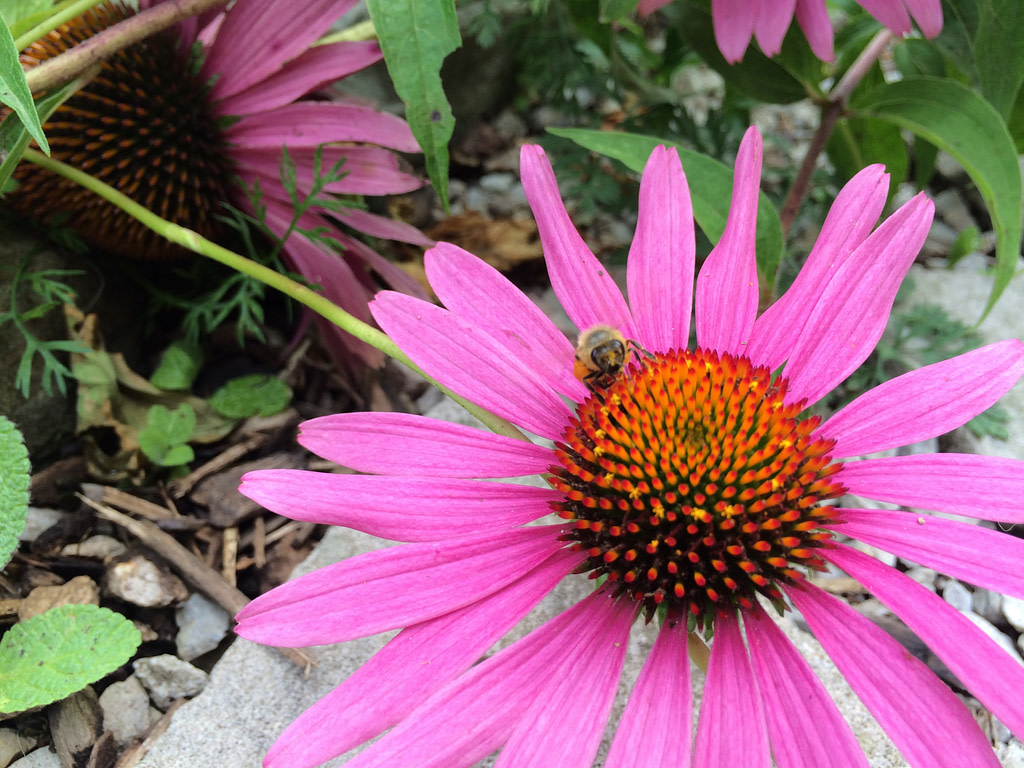
bee and coneflower

The PDC facilitates understanding of the shifting dynamics of the world around us. When we pull one thread, sometimes unexpected things happen. When we build soil, plant trees, establish pollinator gardens, invite the neighbors to tea, or stop flying or driving as much there are also (hopefully) positive consequences. Permaculture can help us see these threads and learn to act in increasingly positive cycles. 

Permaculture design complements other communities of learners and practitioners. Because permaculture design process incorporates analysis and strategies from many different sources, it is also allied with many different practices, groups, and disciplines. Nature Connection people, agroecology, agroforestry, Holistic Management, ecovillages, vegan and vegetarianism, sociocratic governance systems, and many other movements blend well with permaculture. What I find especially helpful to recognize, is that as long as the ethics are observed, permaculture is a design process–a problem-solving approach, which can unite people across many differences in action towards common aims. I find that hopeful. 

Read More
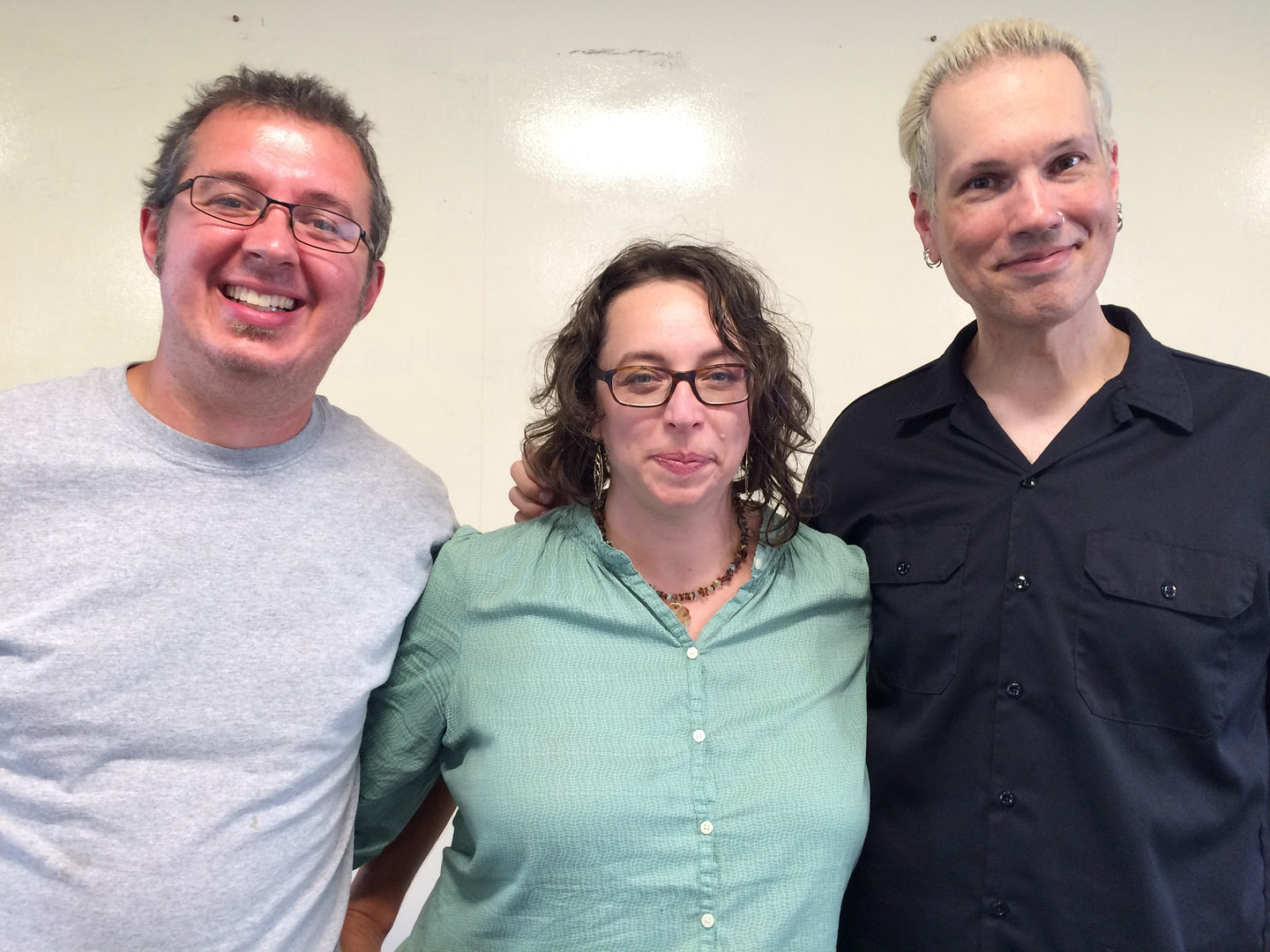
Milton, Rhonda, William
People Care

GLPDC

In 2016 I joined up with William Faith (Chicago) and Milton Dixon (Ann Arbor), to form the Great Lakes Permaculture Design Collaborative. Since that time, we’ve run a few very successful permaculture design courses, an advanced design course, various workshops, and supported our advanced design course students in developing a children’s garden and food forest in Hillside, IL. We’ve spent a lot of time weaving together permaculture people in the Chicago-area and pushing innovative approaches in our PDC.

In support of our workshops (listed on the education page), we’ve begun doing occassional videos and offering more information at our website.

If you spend time with us, you’ll see that our team is enriched by diversity of views, experiences, and approaches to permaculture. It’s a rich, inclusive, and inspiring collaboration which continues to show the healthy effects of emergent design. We hope you’ll join us!

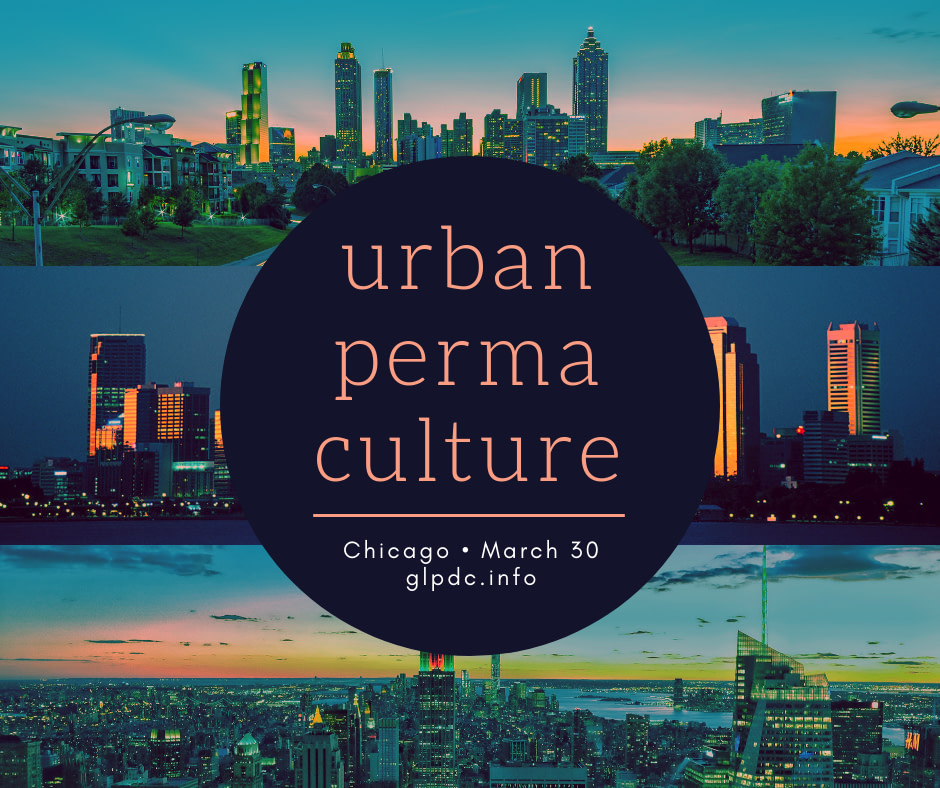
Our next workshop is on Urban Permaculture in Chicago on March 30, followed by a workshop on Social Permaculture April 27.

glpdc course announcement
Read More
yellow daylily
Future Care, Member Content

Vital Connection

I’ve decided to link my occasional writings with this business website and would love for you to peruse the archive here at Vital Connection. I’ll be adding more about the projects I have underway and insights here on Sheltering Hills Design.

monarch on child hand

Contact me to let me know how it resonates with you–and enjoy.

Read More